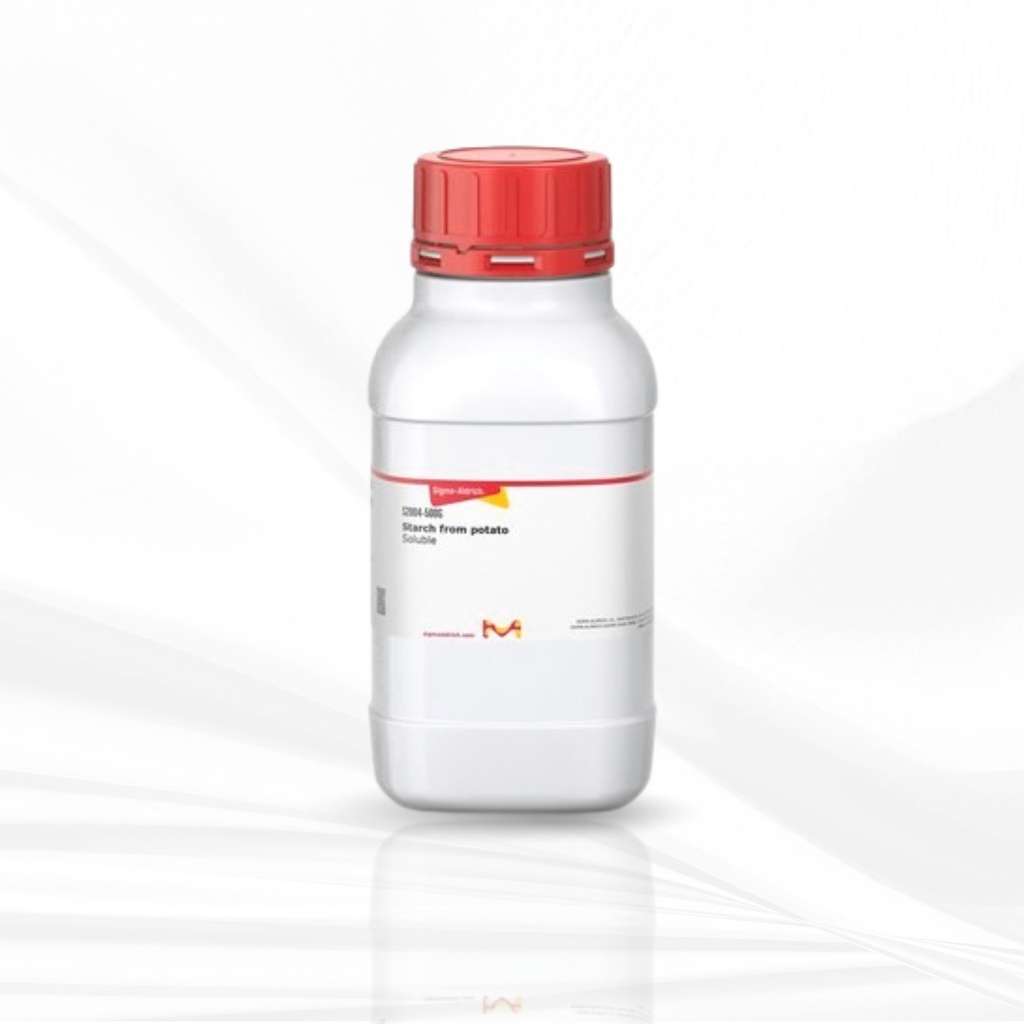
General description
Starch is a carbohydrate reserve in plants and a major
source of energy for humans. In plants, starch is found in chloroplasts of leaf
and in the amyloplasts of tuber and seeds.[1][2] Structurally, starch
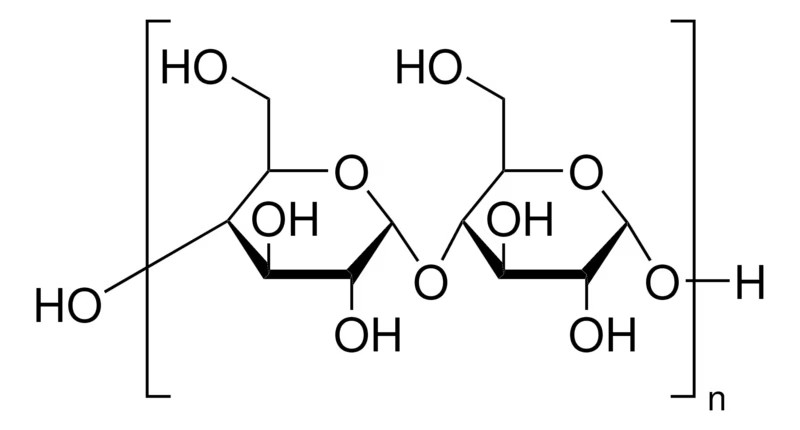
consists of two major polysaccharides, namely amylose and amylopectin. Both
consists of chains of -(1,4)-linked D-glucose residues interconnected through
-(1,6)-glycosidic linkages.[2] Potato starch is superior to others,
functionally, because of its low lipid level.[1] Nutritional composition
of starch comprises of rapidly digestible starch, slowly digestible starch, and
resistant starch (RS). Amylases are the starch degrading
enzymes.[3] Starch digestibility affects the blood glucose levels and is
controlled by factors like carbohydrate contents of foods, nutritional
composition of starch and cooking foods.[4] Inhibition of pancreatic
amylase is of therapeutic importance for delaying starch digestion, to prevent
postprandial hyperglycemia.[4][5] Food industries use starch as thickening
agent.[6]
Application
Starch from potato has been used as a substrate for
α-amylase inhibition assay, by use of raw and cooked food samples[4] and
aerial parts of Trichosanthes cucumerina Linn[5], as a
substrate to determine SusG activity, in animal gut microbiota activity using
DNSA assay[7].
Other Notes
To gain a comprehensive understanding of our extensive range
of Polysaccharides for your research, we encourage
you to visit our Carbohydrates Category page.